About
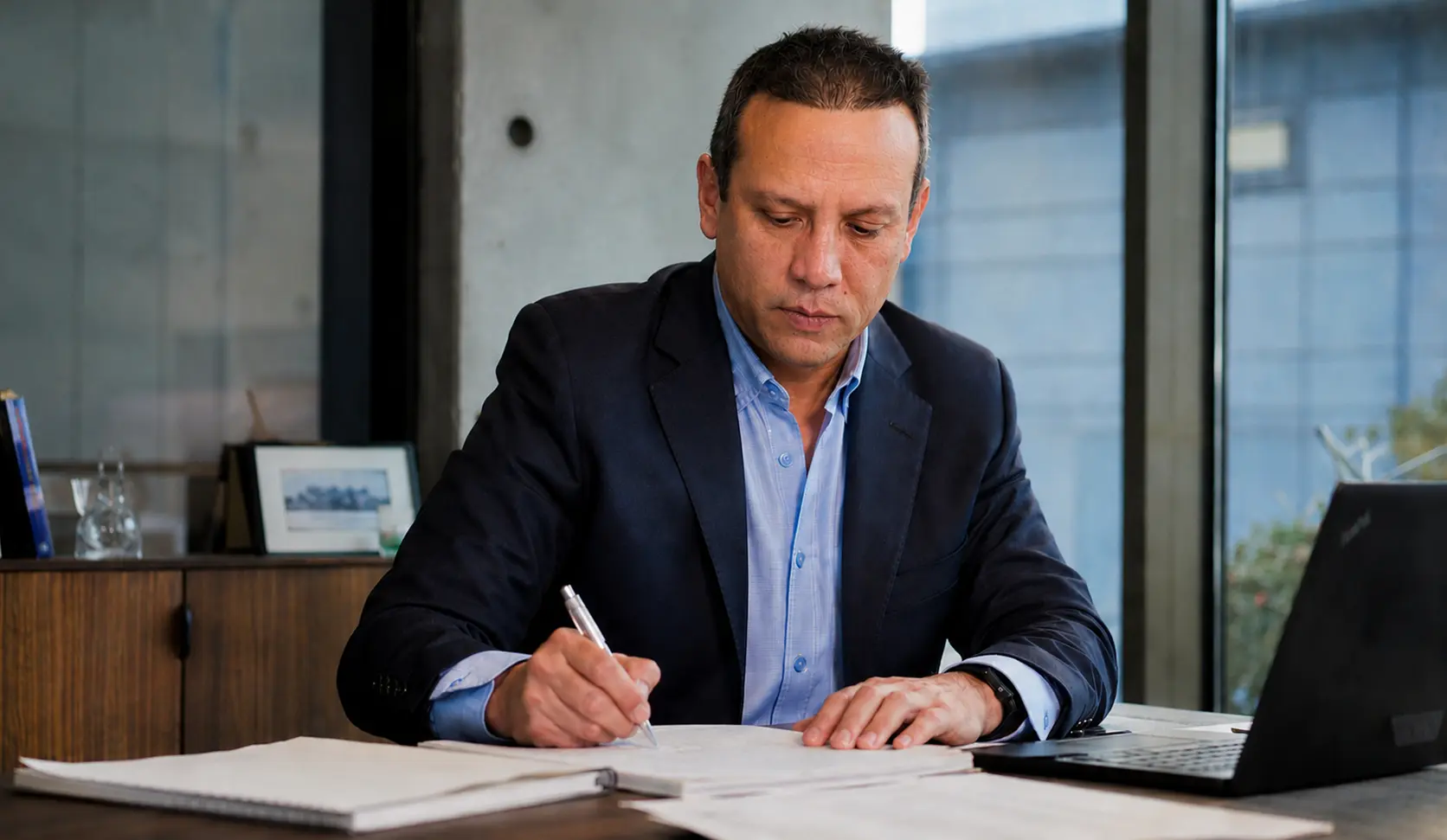
I help organisations turn international growth ambitions into sustainable results through strategic expansion, partnerships and ecosystem development. My career has taken me across private enterprise, government, higher education and entrepreneurship, giving me a practical, cross-sector understanding of how organisations grow, enter new markets, build trusted relationships and create opportunities across borders.
I have spent more than two decades in international business, higher education, government and institutional environments, including the UK Department for Business & Trade, the Netherlands Institute for Higher Education and World Trade Center Ankara. Across these roles, my work has consistently sat at the intersection of international growth, technology, innovation and economic development.
I have worked with companies, universities, governments, investors, research organisations and international institutions, developing partnerships, coordinating complex programmes and helping organisations turn cross-border opportunities into tangible outcomes.
Today, as Founder & Managing Director of Frontbenchers Limited, I work alongside founders, executive teams and innovation-driven organisations pursuing international growth. My work focuses on international expansion, strategic partnerships, commercial growth and ecosystem development. My approach is straightforward: understand the opportunity, connect the right people and organisations, and turn those connections into meaningful outcomes.
Explore my areas of expertise →
Expertise
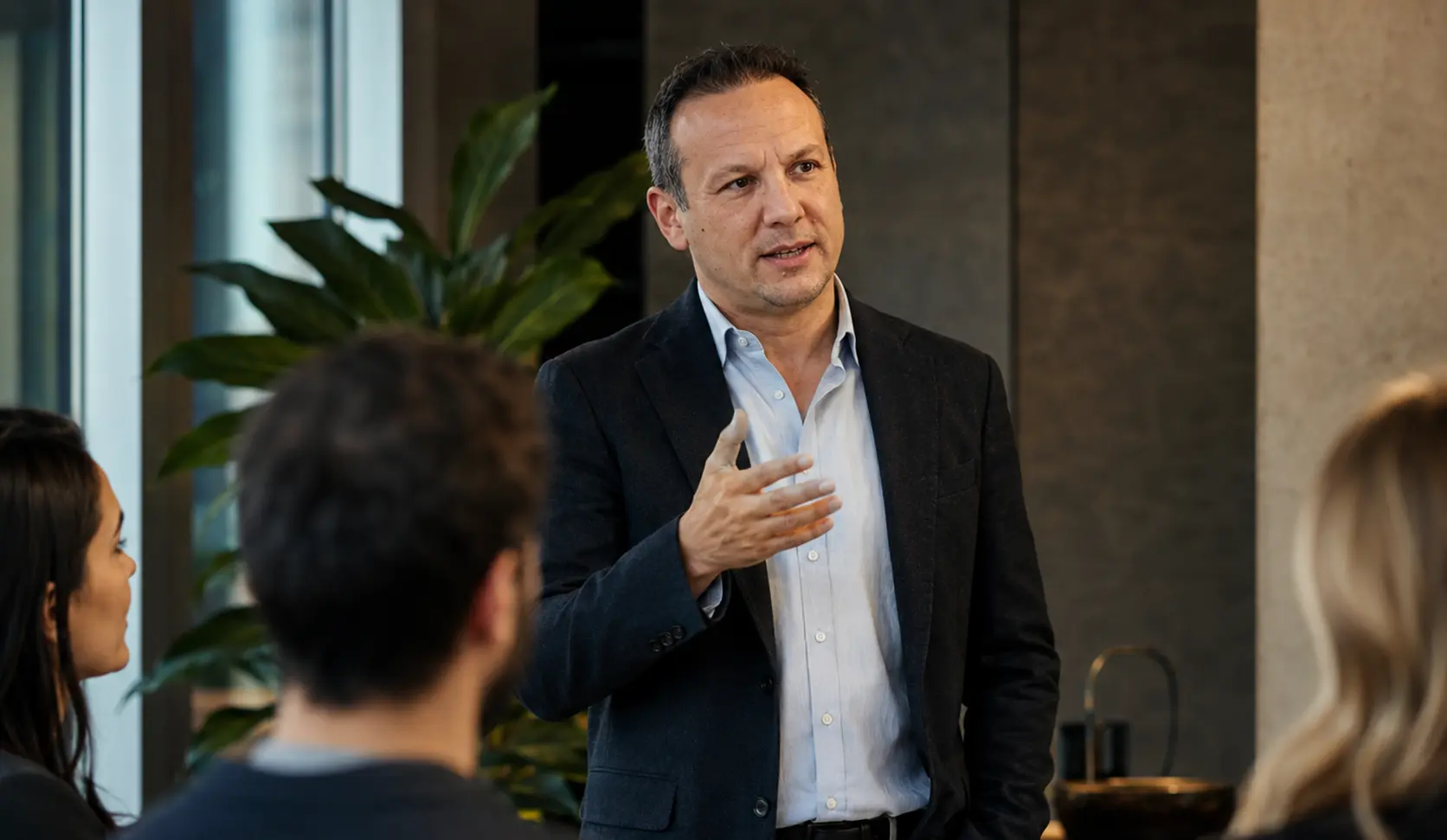
My expertise sits at the intersection of international growth, strategic partnerships and ecosystem development. I help organisations navigate complex markets, build the right relationships and turn strategic opportunities into sustainable growth.
International Expansion
Helping organisations assess, structure and execute international growth across new markets, from market entry and localisation through to international business development.
Keywords:
International Expansion Strategy• Market Entry & Localisation• International Business Development• Market Development
Strategic Partnerships
Building strategic partnerships that create commercial, institutional and organisational value across corporate, government, higher education and innovation environments.
Keywords:
Strategic Partnerships• Institutional Collaboration• Stakeholder Alignment• Cross-Sector Collaboration
International Business & Investment
Supporting international companies and investment projects through market development, investment promotion, internationalisation and cross-border growth.
Keywords:
Investment Promotion• Trade & Investment• Internationalisation• Investment Readiness
Innovation & Ecosystem Development
Connecting organisations with the institutions, networks and innovation ecosystems needed to strengthen collaboration, commercialisation and sustainable growth.
Keywords:
Innovation Ecosystem Development• Ecosystem Strategy• Innovation Partnerships• Knowledge Exchange
Strategic Growth
Helping organisations translate growth ambitions into practical strategies, commercial opportunities and disciplined execution.
Keywords:
Strategic Growth• Growth Strategy• Opportunity Development• Strategic Execution
Executive Advisory
Working alongside founders and executive teams to navigate international growth, strategic decisions, partnerships and organisational development.
Keywords:
Executive Advisory• Founder Advisory• Strategic Planning• Executive Decision Support
See the experience behind my expertise →
Career
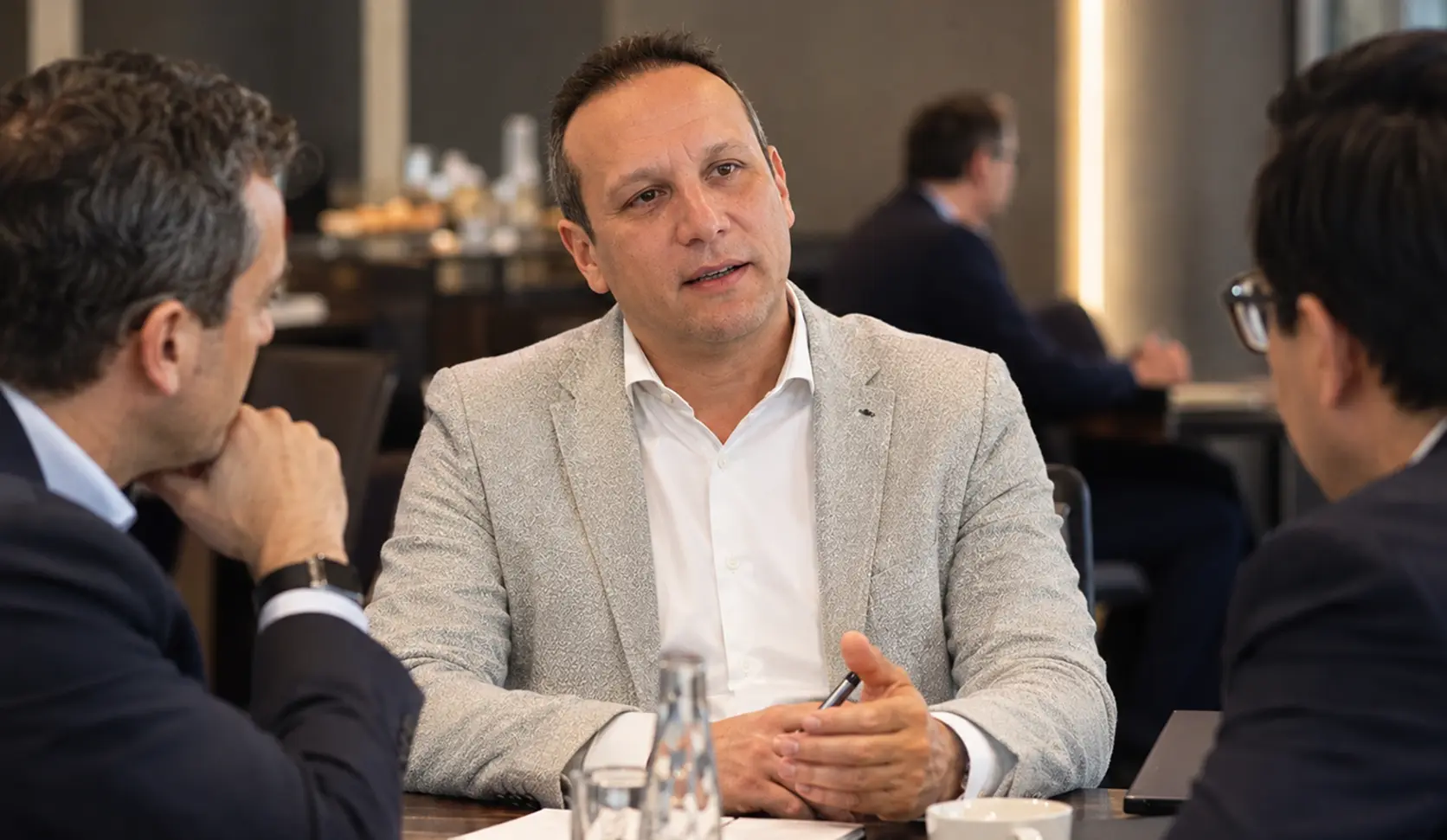
My career has evolved through different commercial, international, institutional and entrepreneurial environments, but with a consistent focus on growth, relationships and cross-border opportunity. I began in commercial management and international business, developing hands-on experience in sales, market development and customer relationships. I then moved into international trade, business matchmaking and institutional programmes, working with companies, universities, government institutions and international organisations across different markets and sectors.
Over time, these experiences broadened from helping individual organisations develop business internationally to building the partnerships, programmes and ecosystems that enable wider growth. Today, as a founder and strategic adviser, I bring together this combination of commercial, international and institutional experience to work with organisations navigating expansion, market entry, partnerships and growth. The roles have changed, but the underlying thread has remained the same: understanding opportunities, connecting people and organisations, and turning relationships into tangible outcomes.
Keywords:
International Expansion • International Business Development • Market Entry • Strategic Partnerships • Ecosystem Development • International Trade • FDI & Investment Promotion • Commercial Growth • Executive Advisory • Cross-Sector Collaboration
Career Timeline
Frontbenchers Limited
Founder & Managing Director · June 2025 – Present
Founder-side strategic advisory practice helping founders and executive teams turn international growth ambitions into practical expansion, market-entry and growth strategies.
- Advise founders and executive teams on international expansion, market entry, strategic growth and commercialisation.
- Develop expansion strategies across the UK, Türkiye and US, assessing market opportunities, entry pathways, ecosystem dynamics and organisational readiness.
- Build strategic partnerships with government institutions, universities, accelerators, investors, innovation organisations and corporate partners.
- Support leadership teams with go-to-market strategy, stakeholder engagement and cross-border growth.
- Work with innovation-driven companies across AI, healthcare, cybersecurity and DeepTech.
Department for Business and Trade (DBT)
(formerly known as Department for International Trade - DIT)
Senior Inward Investment Adviser · April 2017 – May 2025
Led regional inward investment activity across Türkiye and the Eastern Europe & Central Asia region, developing the partnerships, ecosystems and pipeline-generation practices that supported sustained UK investment.
- Managed a regional portfolio of 400+ international expansion opportunities, advising founders, CEOs and executive teams on UK market entry, investment readiness and expansion decisions.
- Contributed to 125+ confirmed UK establishment projects, facilitating £516M+ in inward investment and supporting 775+ jobs.
- Redesigned the regional approach to investment generation around proactive ecosystem engagement and founder relationships, increasing qualified investment pipeline performance by 37%.
- Generated approximately 75% of qualified opportunities through proactive engagement with founders, investors, accelerators, universities, technoparks and innovation organisations.
- Conceived and scaled the UK Technology Investment Conference, growing participation from approximately 170 to nearly 1,000.
- Expanded London Tech Week participation into a nationally coordinated technology delegation involving 100+ companies and stakeholders annually.
Department for International Trade (DIT)
(formerly known as UK Trade & Investment - UKTI)
Inward Investment Adviser · June 2014 – March 2017
Supported internationally ambitious companies evaluating expansion into the United Kingdom, working across the inward investment lifecycle from opportunity identification and qualification through market-entry planning and establishment.
- Built relationships with founders, CEOs and executive teams considering UK expansion.
- Identified and qualified inward investment opportunities by assessing international expansion readiness, commercial potential, strategic fit and UK market-entry requirements.
- Advised companies on UK market entry, location considerations, ecosystem fit and investment pathways.
- Coordinated companies with government teams, sector specialists, investors, universities, accelerators and other ecosystem stakeholders.
- Managed projects through complex multi-stakeholder processes from initial engagement through establishment.
Netherlands Institute for Higher Education (NIHA)
Public Relations & Office Manager · October 2011 – June 2014
Coordinated international programmes and institutional partnerships supporting Dutch–Turkish cooperation across higher education, research, innovation and public policy.
- Built and maintained relationships across universities, research organisations, government institutions, diplomatic missions, NGOs and private-sector organisations.
- Coordinated international programmes, conferences, executive education activities, study visits and official delegations.
- Supported research cooperation, institutional partnerships and knowledge-exchange initiatives.
- Coordinated the development and implementation of the Foreign Institutes in Turkey (FIT) Platform.
- Supported the TÜBİTAK Integrated Water Management Programme, coordinating Dutch–Turkish institutional collaboration.
World Trade Center Ankara
Membership Affairs & Services Manager · April 2010 – October 2011
Led the Membership Affairs & Services function, combining commercial service development, international trade facilitation, business matchmaking and team leadership.
- Managed a multidisciplinary team of approximately 5 employees.
- Redesigned the membership value proposition, contributing to ~40% increase in membership revenues.
- Developed and commercialised new business support services, including corporate training, shared office/workspace and business information offerings.
- Designed and coordinated the Türkiye–Japan Trade Mission with WTC Osaka, facilitating 20+ bilateral B2B meetings.
- Developed business cases, commercial feasibility assessments and investment proposals for new services and organisational improvements.
ANKON Consulting
Business Agent · August 2009 – October 2009
Supported the Royal Netherlands Embassy's Economic Mission to Türkiye, helping Dutch companies assess the Turkish market and develop targeted commercial relationships.
- Managed an independent portfolio of five Dutch companies.
- Conducted market intelligence and stakeholder research to identify relevant Turkish companies, institutions and potential business partners.
- Designed and coordinated customised B2B matchmaking programmes.
- Built relationships with Turkish companies, public institutions, Chambers of Commerce, industry associations and NGOs.
EGAŞ Eczane Gereçleri A.Ş.
Sales & Marketing Manager · November 2005 – December 2008
Led the newly established Marketing & Sales Department within a nationwide pharmacy equipment and healthcare supply business, with responsibility spanning commercial operations, customer development, procurement, distribution and customer service.
- Built and structured the Marketing & Sales Department and led approximately 20 employees.
- Approximately tripled departmental sales through improved commercial management, customer engagement and targeted promotional campaigns.
- Re-engaged inactive customers through direct relationship management and targeted campaigns.
- Led the commercial introduction and market development of the Unguator pharmaceutical compounding system in Türkiye.
- Exercised commercial decision-making responsibility across pricing, promotional campaigns, product selection and supplier negotiations.
Read my insights and perspectives →
Insights

Most of what I publish begins as reading rather than as an article. I follow the research on internationalisation, keep notes on what I see in live expansion decisions, and write when the two start to disagree with each other. The result is usually less about advice and more about working out what is actually going on.
My Focus Areas
International Growth
International Expansion • Market Entry • Internationalisation • Global Growth
Partnerships & Ecosystems
Strategic Partnerships • Ecosystem Development • Cross-Sector Collaboration • Innovation Networks
Investment, Innovation & Emerging Markets
FDI & Investment Promotion • Technology Investment • Innovation • Emerging Markets
Read my articles →
Earlier pieces remain on LinkedIn and are gradually being republished here.
Explore how I work with organisations →
Engagement
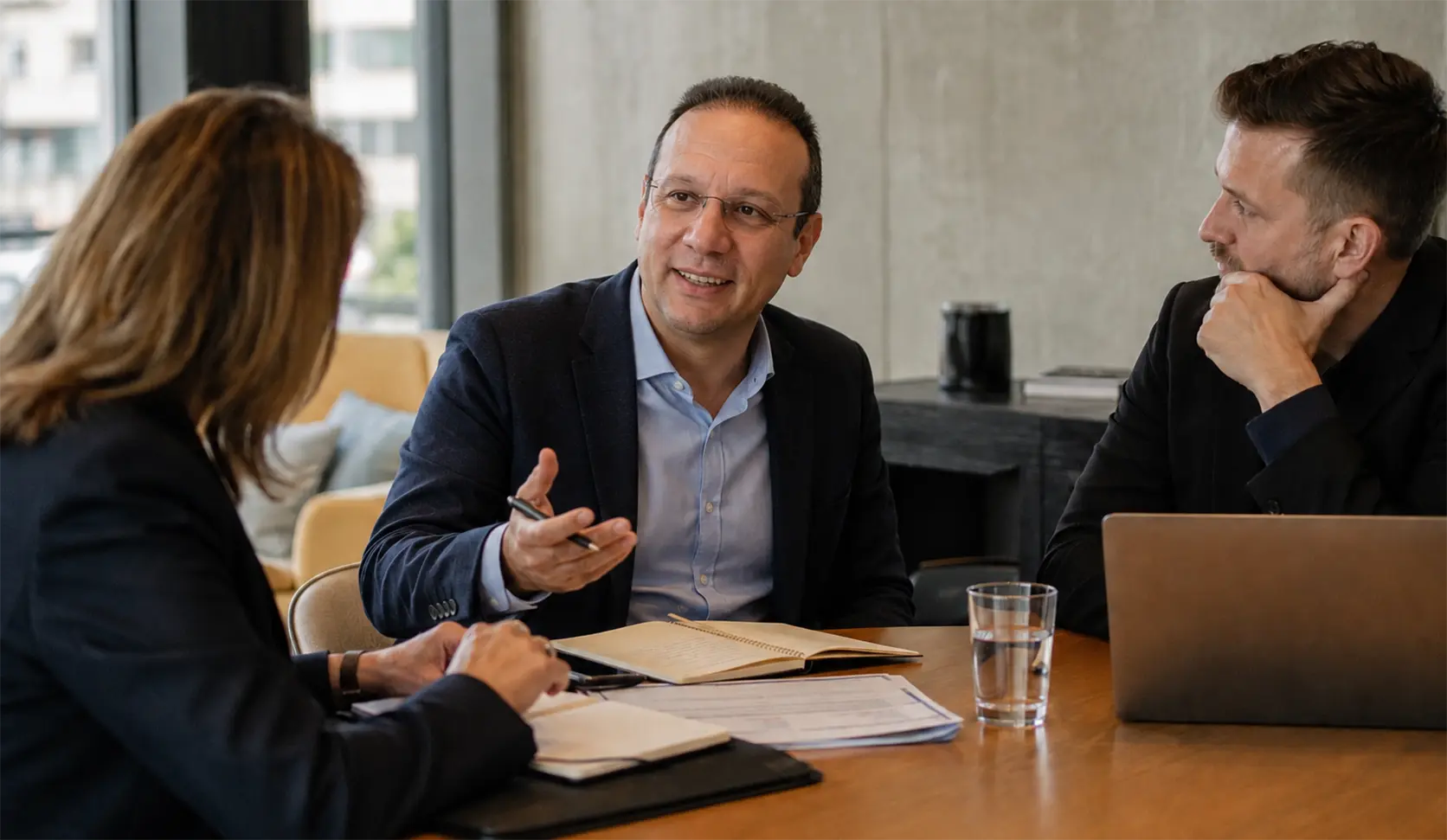
I work with founders, executive teams and organisations navigating international growth, strategic partnerships and complex cross-border opportunities. Engagements vary according to the challenge — from strategic advisory and market expansion to partnership development, international programmes and executive-level knowledge exchange.
How I Engage
Strategic Advisory
International growth, market entry and executive-level strategic decision support.
Working with founders and executive teams on international expansion, market entry, strategic growth and complex cross-border decisions.
Keywords: International Expansion • Market Entry • Strategic Growth • Executive Advisory
Partnership Development
Building strategic commercial, institutional and ecosystem relationships.
Helping organisations identify, structure and develop strategic commercial, institutional and ecosystem partnerships that create long-term value.
Keywords: Strategic Partnerships • Institutional Collaboration • Ecosystem Development • Stakeholder Engagement
International Programmes & Delegations
Connecting organisations, markets and institutions through international initiatives.
Designing and coordinating international programmes, business delegations, trade missions and ecosystem initiatives that connect organisations, markets and institutions.
Keywords: International Programmes • Business Delegations • Trade Missions • Ecosystem Initiatives
Speaking, Moderation & Knowledge Exchange
Sharing practical perspectives through conferences, workshops and executive programmes.
Contributing to conferences, executive programmes, workshops, panels and cross-sector knowledge exchange on international growth, innovation and economic development.
Keywords: Speaking • Moderation • Executive Education • Knowledge Exchange
Let's Connect
If you are exploring an international opportunity, building a strategic partnership or developing a growth initiative, I would be happy to hear from you.
Contact
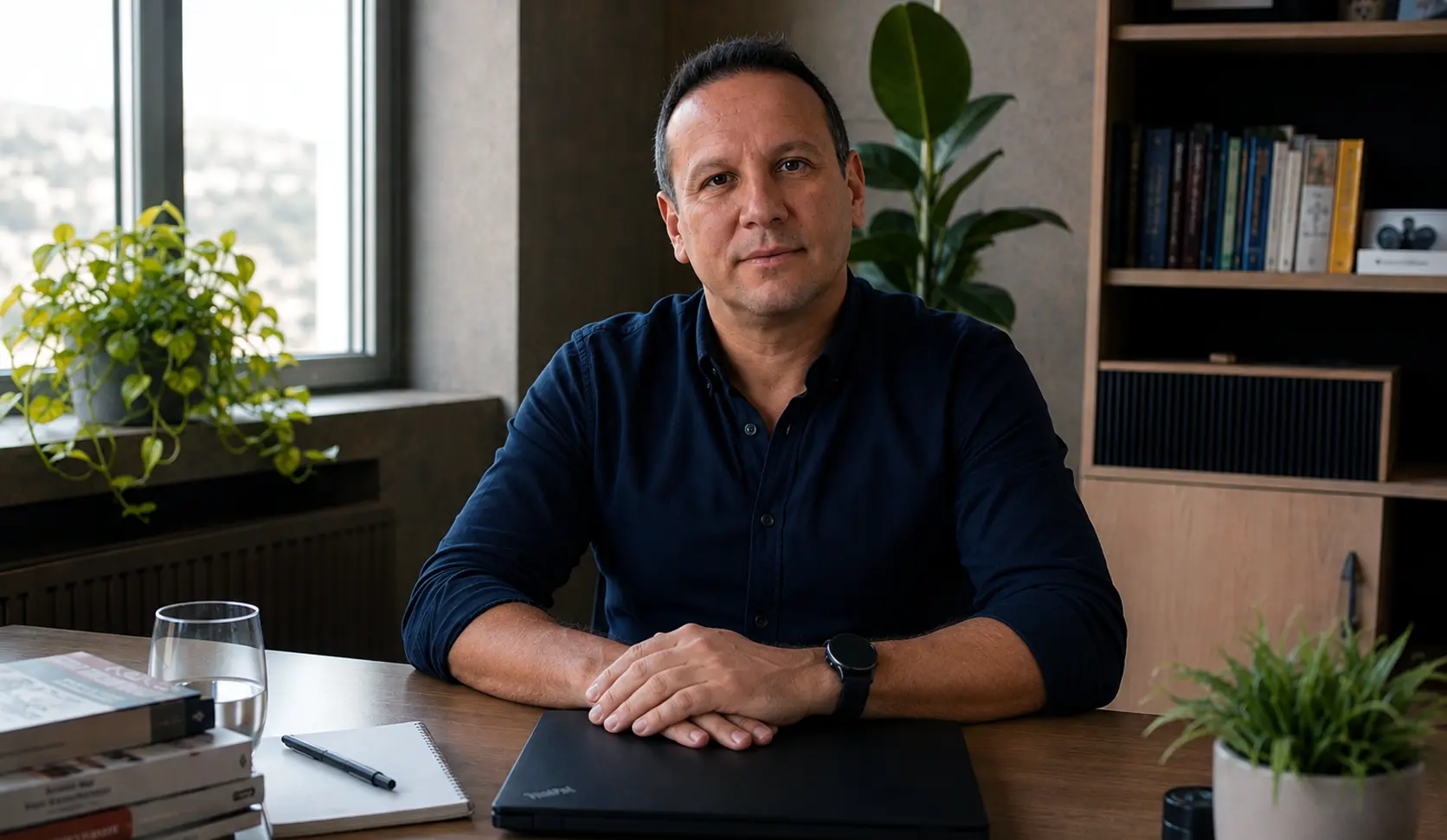
There is always room for a good conversation.
If you would like to get in touch, whether for a professional opportunity, a potential collaboration, an introduction, an idea you would like to explore, or simply a conversation worth having, feel free to reach out.
Privacy Policy
Last updated: 16 August 2026
This Privacy Policy explains how Mehmet Başaran (“I”, “me” or “my”) handles personal information in connection with therealbasaran.com (the “Website”). This is a personal website. It is not operated as a business, online store or service platform.
Who I am
I am responsible for this Website and for the personal information described in this Privacy Policy. If you have a question about privacy or how your information is handled, you can contact me at my email.
Information I may collect
- Information you choose to provide: If you contact me by email, I may receive your name, email address, the content of your message and any other information you choose to include.
- Website usage information: If you consent to analytics cookies, Google Analytics may collect information about how you use the Website, such as pages viewed, interactions with the Website, approximate geographic information and technical information about your device and browser. I do not use the Website to collect sensitive personal information, create user accounts or build individual marketing profiles.
How I use information
I do not sell personal information or use this Website for behavioural advertising. I use information only where necessary to: respond to messages sent to me, operate and maintain the Website, understand how the Website is being used and improve its content and functionality, where you have consented to analytics; and comply with applicable legal obligations.
Lawful bases
For analytics, the lawful basis for processing personal information is consent. For information you choose to provide when contacting me, I process that information where necessary to respond to your enquiry and, where applicable, on the basis of legitimate interests or another lawful basis permitted by applicable data protection law.
Cookies and similar technologies
The Website may use cookies and similar technologies, including browser storage such as local storage. Some technologies may be strictly necessary for the Website to function. These do not require consent where an applicable exemption applies. Analytics and other non-essential tracking technologies will only be used where you have actively consented to them. The Website does not currently use advertising cookies, remarketing technologies or social-media advertising pixels.
You can withdraw or change your analytics consent at any time through Manage Cookie Preferences in this Privacy Policy.
Google Analytics
The Website uses Google Analytics 4 (GA4) to understand how visitors use the Website. Analytics is not enabled until you give consent through the Website’s cookie consent mechanism. The current GA4 configuration does not use: Google Signals, User-ID, user-provided data collection, detailed location and device data for advertising purposes; or advertising personalisation. Analytics data is configured with a 2-month retention period. Google may process analytics information as a service provider and may process information on servers outside the UK. Further information about Google’s handling of data is available through Google’s own privacy documentation.
Cookies
The Website may use cookies and similar technologies. Some technologies may be strictly necessary for the Website to function. These do not require consent where an applicable exemption applies. Analytics cookies are non-essential. They will only be used if you actively consent to analytics through the cookie consent mechanism. You can withdraw or change your analytics consent through the Website’s cookie controls. The Website does not currently use advertising cookies, remarketing technologies or social-media advertising pixels.
How long information is kept
For Google Analytics, the configured retention period is 2 months. If you contact me by email, I retain the information in your message only for as long as reasonably necessary to deal with your enquiry and maintain the relevant correspondence, unless a longer period is required by law.
Who information is shared with
I do not sell or rent personal information. Information may be processed by third-party providers where necessary to operate the Website or provide a service you have requested. At present, the principal third-party analytics service used by the Website is Google Analytics.
International transfers
Some third-party providers used by the Website may process information outside the UK. Where applicable, appropriate safeguards will be used in accordance with applicable data protection law.
Your rights
Depending on the circumstances, you may have rights under applicable data protection law, including the right to ask for access to personal information held about you, ask for inaccurate information to be corrected, ask for information to be deleted, ask for processing to be restricted, object to certain processing, withdraw consent where processing is based on consent; and request a copy of certain personal information in a portable format. To exercise a relevant right or ask a privacy question, contact me at my email.
Complaints
If you have concerns about how your personal information is handled, please contact me first so I have an opportunity to address them. You also have the right to complain to the UK Information Commissioner’s Office (ICO) if you believe your personal information has been handled unlawfully.
Changes to this Privacy Policy
I may update this Privacy Policy when the Website, its technologies or the way information is handled changes. The latest version will always be available through the Privacy Policy link on the Website.
Manage Cookie Preferences
Questions & Answers
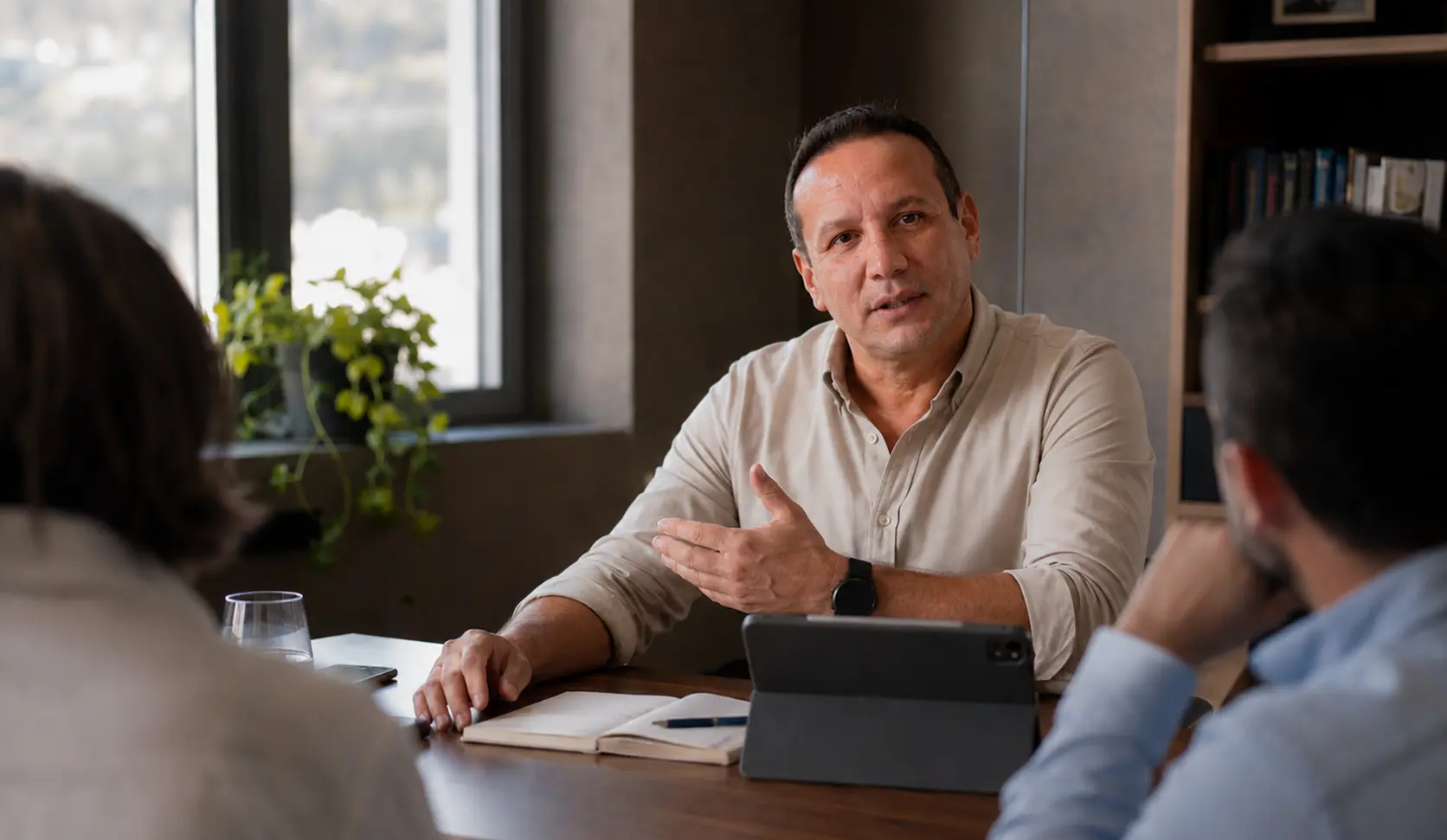
Clear answers to practical questions about international growth, strategic partnerships and innovation ecosystems, grounded in more than two decades of experience across private enterprise, government, higher education and entrepreneurship.
About Mehmet
Who is Mehmet Başaran?
Mehmet Başaran founded and now runs Frontbenchers Limited, where he works as an International Growth, Strategic Partnerships & Ecosystem Executive. In practice, that means he sits down with founders and executive teams who are trying to grow beyond their home market, and helps them figure out how to actually get there.
Getting to this point took a fairly winding route — private enterprise, international business, higher education, government, and eventually his own company. Along the way he's worked alongside companies, universities, government bodies, investors and research organisations, in more than one country and more than one sector.
What ties it all together now is fairly simple: spotting the right opportunity, connecting it to the right people, and following through until it turns into something real.
What does Mehmet Başaran bring to international growth and strategic partnerships?
He brings cross-sector experience and a network built across commercial, institutional and government environments. That matters because international growth is rarely just a sales problem. Mehmet tends to ask a broader question first: does this organisation actually have what it needs — commercially, institutionally, and in terms of the ecosystem around it — to succeed in this new market, or not yet?
That view comes from years spent moving between business, government, universities, investors and innovation organisations, so he's usually able to see how a commercial goal connects to the institutions and relationships that can either unlock it or quietly block it.
On partnerships specifically, his approach is unglamorous but effective: understand what each side actually wants, find where those interests genuinely line up, and build from there — the aim is a relationship that keeps paying off, not a single introduction that fizzles out.
How has Mehmet Başaran's experience shaped his approach to international growth?
It's really been shaped by seeing international growth from several different sides of the table. He started out in commercial leadership, doing the hands-on work of sales, customers, suppliers and market development. From there he moved into international trade and worked more closely with universities and international organisations on institutional collaboration.
Government was the part that really widened the lens. Over eleven years at the UK Department for Business & Trade, working on inward investment, he dealt with companies, investors, government bodies and innovation ecosystems day in, day out — the kind of exposure that's hard to get anywhere else.
Now, through Frontbenchers, he's applying all of that from the other side of the table — the founder's side — helping organisations think through expansion, market entry, partnerships and growth. The roles have changed a lot over the years, but the instinct underneath hasn't: understand the opportunity, build the right relationships, and turn them into something tangible.
Experience & Evidence
What has Mehmet Başaran's career focused on?
The job titles have changed a fair amount over the years, but there's a pretty clear thread running through them: helping organisations create opportunities and grow across borders. It started with commercial leadership and international suppliers, moved into international business development at World Trade Center Ankara, then institutional partnerships and international programmes at NIHA, inward investment at the UK Department for Business & Trade, and eventually founder-side advisory through Frontbenchers.
Each stage added something new. WTC Ankara brought the commercial and trade side. NIHA added higher education, research and institutional collaboration. DBT brought large-scale international expansion and investment. And Frontbenchers is where all of that experience gets put to direct use with founders and executive teams.
So it's less about one industry or one type of organisation, and more about the same challenge showing up again and again in different forms: how do you connect the right organisations, relationships and opportunities so that international ambitions turn into something real?
What kind of organisations has Mehmet Başaran worked with?
A pretty broad mix, honestly — private companies, international business organisations, universities, research institutions, government, investors and innovation ecosystems. That variety is probably one of the more useful things he brings to a complex growth problem, since he's spent real time inside each of those worlds and knows how they actually operate.
At World Trade Center Ankara, that meant companies, government ministries, foreign embassies, chambers of commerce, trade organisations and international business networks — using those relationships to support business matching, trade facilitation and cross-border commercial activity.
At NIHA, the mix shifted towards universities, research institutes, government institutions, diplomatic missions, NGOs and private-sector organisations. He coordinated international programmes and helped build institutional relationships across the Dutch and Turkish higher education, research and public-policy communities.
DBT brought a different scale altogether, with a much stronger investment focus — companies, investors, accelerators, universities, technology clusters and innovation organisations. Today, Frontbenchers pulls those different perspectives together through work with founders, executive teams and the ecosystems around them.
What has Mehmet Başaran built or led?
Mehmet Başaran has built and led teams, services, programmes, partnerships and investment pipelines across commercial, institutional and government environments.
At EGAŞ, he built and led a newly established Marketing & Sales function with around 20 people. At World Trade Center Ankara, he helped turn international business matching and trade facilitation into structured services, while building a broader stakeholder network across government, diplomacy and international business.
At NIHA, he coordinated international programmes and helped develop the FIT Platform, bringing universities, research organisations, government, industry and international partners into the same room. He also coordinated the TÜBİTAK Integrated Water Management Programme and a wider network of institutional partnerships.
Later, at DBT, that same instinct went into inward investment and ecosystem-led opportunity generation, including the UK Technology Investment Conference and the London Tech Week delegation. Today, Frontbenchers is where he's brought the accumulated methodologies and networks together into an independent international growth advisory practice.
What results has Mehmet Başaran delivered?
The strongest numbers come from his time at the UK Department for Business & Trade, where he managed 400+ international expansion opportunities and contributed to 125+ confirmed UK establishment projects, helping bring in £516M+ in inward investment and supporting 775+ jobs.
But the results go back further than DBT. At EGAŞ, departmental sales roughly tripled while he was running the function. At World Trade Center Ankara, he developed new international business matching and trade facilitation services and helped diversify the organisation's commercial model. At NIHA, the wins looked different — less about commercial metrics, more about institutional capacity: stronger international partnerships, new collaborative programmes, and platforms like FIT that connected universities, research organisations, government and industry.
At DBT, the ecosystem-led approach also changed how opportunities were generated in the first place. Qualified pipeline performance went up by 37%, with roughly 75% of qualified opportunities coming through proactive engagement with founders, investors, accelerators, universities, technoparks and innovation organisations.
What distinguishes Mehmet Başaran's approach to international growth?
Mehmet Başaran's approach treats international growth as a combination of market readiness, ecosystem fit, strategic relationships and execution rather than simply a market-entry decision. It was built up over time, as he moved from commercial business development at World Trade Center Ankara, through institutional partnership work at NIHA, into government-led investment promotion at DBT and, eventually, founder-side advisory through Frontbenchers.
One lesson kept showing up regardless of the setting: international growth rarely works in isolation. At WTC Ankara, that meant connecting companies with overseas partners and institutional networks. At NIHA, it meant bringing universities, researchers, government and industry together around shared programmes. At DBT, it meant embedding investment promotion inside innovation ecosystems instead of waiting for enquiries to come in.
Frontbenchers is where that thinking has turned into something closer to a deliberate methodology. The starting point isn't "which market should we enter?" — it's whether the organisation is actually ready, what the market really requires, who needs to be involved, and which relationships would make the difference. The goal is an approach that holds up commercially, institutionally, and in the real ecosystem around the company — not just on paper.
International Growth
When is a company ready for international expansion?
There's no single moment where a company suddenly becomes "ready." In practice, readiness tends to show up once the business has proved its core proposition actually works at home and has something genuinely worth taking elsewhere — technology, intellectual property, a distinctive product, specialist expertise, or just a model that travels well.
For some companies that point arrives after years of building out a domestic market. For others — technology businesses especially, and what are often called "born-global" companies — internationalisation is baked into the model from day one. A small home market, a naturally global customer base, or the economics of the product itself can make waiting for domestic maturity the wrong call entirely.
Either way, what actually matters is whether the organisation is prepared for what comes next. Leadership needs to be genuinely aligned, there needs to be enough financial and human capacity to absorb the early costs, and the team has to be able to operate with a lot less certainty than it's used to at home. Wanting to go international is not the same thing as being ready to.
How should a company assess its readiness before entering a new international market?
Start by looking inward before getting too excited about the country. A company needs an honest read on what it already has — financial capacity, people, technology, IP, sales capability, operational systems, management experience — and, just as importantly, where the gaps are.
From there, the real question is whether those capabilities actually match what the target market demands. Can the product be sold there without major rework? Are the right technical, legal and language skills in place? Can the business absorb a stretch where international operations cost more than they bring in? And does the management team have both the experience and the staying power to see it through?
Tools like SWOT or 5C analysis, market-attractiveness scoring, and a clear-eyed comparison of internal capabilities against market requirements all help pressure-test these assumptions. But underneath the frameworks, it comes down to one fairly blunt question: are we actually ready to operate here, or are we just excited about the opportunity?
How should a company choose its first international market?
The biggest market isn't automatically the best first one. A better starting point is the fit between the opportunity and the organisation's realistic ability to win there.
Psychological — or "psychic" — distance matters, especially for a first move abroad. Markets with a familiar language, culture, business norms or regulatory setup lower the uncertainty and give the team room to learn before taking on somewhere more complex. Existing customers, partners or professional relationships can also hand a company a genuinely useful foothold.
That said, familiarity shouldn't become an excuse to pick an unattractive market. Size, purchasing power, growth potential, competitive intensity, infrastructure, regulation and general ease of doing business all still need weighing. For some companies, technological maturity matters more than geography; for others, one strategic partner or a big existing customer can make a single country far more accessible than any of its neighbours.
So the best first market is usually the one where attractiveness and the company's ability to build a credible position actually overlap — not simply whichever country looks biggest on a spreadsheet.
What should a company validate before entering a new country?
Before committing real resources, a company needs to check that there's an actual market for what it's offering, and that it can legally and practically operate there. That means going well past desk research.
Start by talking to real people — potential customers, local operators, prospective partners. Site visits, trade missions and direct interviews tend to surface things market reports never quite capture: how customers actually buy, what they're willing to pay, what they expect from the product, and where the offer needs to change to fit.
At the same time, the regulatory and institutional environment needs its own validation — licensing, technical standards, tax, employment rules, data requirements, foreign-ownership restrictions, IP protection. Infrastructure, logistics, distribution, local competition, currency conditions and broader political and economic stability all deserve a hard look too.
None of this eliminates uncertainty — that's not really possible. The goal is simply to replace as much guesswork as possible with evidence before putting capital, people and reputation on the line.
What are the biggest risks when expanding internationally?
The obvious risks are the ones everyone thinks of first — political instability, regulatory change, currency swings, logistics, the sheer cost of operating somewhere unfamiliar. Those are real. But some of the harder risks come from what the company simply doesn't know yet.
There's a natural liability of foreignness: local customers, suppliers, regulators and partners understand their own environment in ways a newcomer just can't match early on. Related to that is a liability of outsidership — not yet having the relationships and networks that opportunities, information and trust normally flow through.
Then there's the messier stuff: opportunistic partners, IP leakage, non-payment, supply-chain disruption, reputational damage, and the very human mistake of committing too much too fast. One of the easiest ways to get into trouble is simply spreading into too many markets before the organisation has actually learned how to run the first one properly.
In practice, the biggest risk is rarely one dramatic event. It's usually underestimating how much complexity international growth adds, and moving faster than the organisation can actually absorb.
How can strategic partnerships accelerate international growth?
A good strategic partner effectively shortens the distance between a company and a new market. Instead of building every capability from zero, the company borrows a partner's existing knowledge, relationships, distribution, credibility, technology or infrastructure.
This matters most for smaller or resource-constrained companies. A local partner usually already understands the customers, the regulatory landscape and the commercial norms; an international company, in turn, often brings technology, specialist expertise or a product the local market doesn't yet have. Put those two things together and both sides move faster than either could alone.
Partnerships also spread the cost and risk of entry, support joint R&D, open access to scarce skills and help a new entrant earn legitimacy faster. But there's an important line between an actual strategic partnership and simply having a local contact. The partnerships that really work combine genuinely complementary capabilities around a shared commercial goal — not just a friendly introduction.
How should a company identify the right international partners?
Start by being honest about what the company actually needs from a partner — market access alone is rarely enough. The right partner might bring distribution, technical capability, regulatory know-how, government relationships, customer access, manufacturing capacity, or simply local credibility.
From there, look for complementarity, not duplication. The strongest partnerships exist because each side brings something the other genuinely lacks. But capability is only half the picture — reputation, financial health, integrity, reliability, cultural fit and a real willingness to build something together matter just as much.
So due diligence needs to go well beyond a website and a first meeting. Talk to references, customers, and other people who've actually worked with the organisation. Check its history, ownership, licences and reputation. Visit the operation if at all possible. Start small before committing to something much bigger.
Ultimately, the right partner has to pass two tests: can they help achieve something the company couldn't do as well alone, and is there enough trust to actually build it together?
How can companies use innovation ecosystems to support international growth?
An innovation ecosystem gives a company access to capabilities it would struggle to build on its own. Universities, research organisations, investors, accelerators, technology clusters, specialist suppliers, government programmes and other companies can all become sources of knowledge, talent, technology, market access and relationships.
This is especially valuable when entering a new country, because the ecosystem acts as a much faster learning mechanism than going it alone. A company can get a read on emerging technologies, meet potential customers and partners, test ideas, tap specialist expertise, and understand how the local market really works — without having to build every single relationship from scratch.
For smaller companies, globally connected ecosystems offer a way to plug into international networks far earlier than their own scale would normally allow. Open innovation, university partnerships, accelerators, investors and industry clusters can all help connect what the company already has with resources sitting somewhere else entirely.
The important thing is not to treat an ecosystem as just a list of organisations to network with. The real value sits in the connections between them — and in using those connections to learn, adapt, build new capabilities and create opportunities that would be genuinely hard to generate alone.